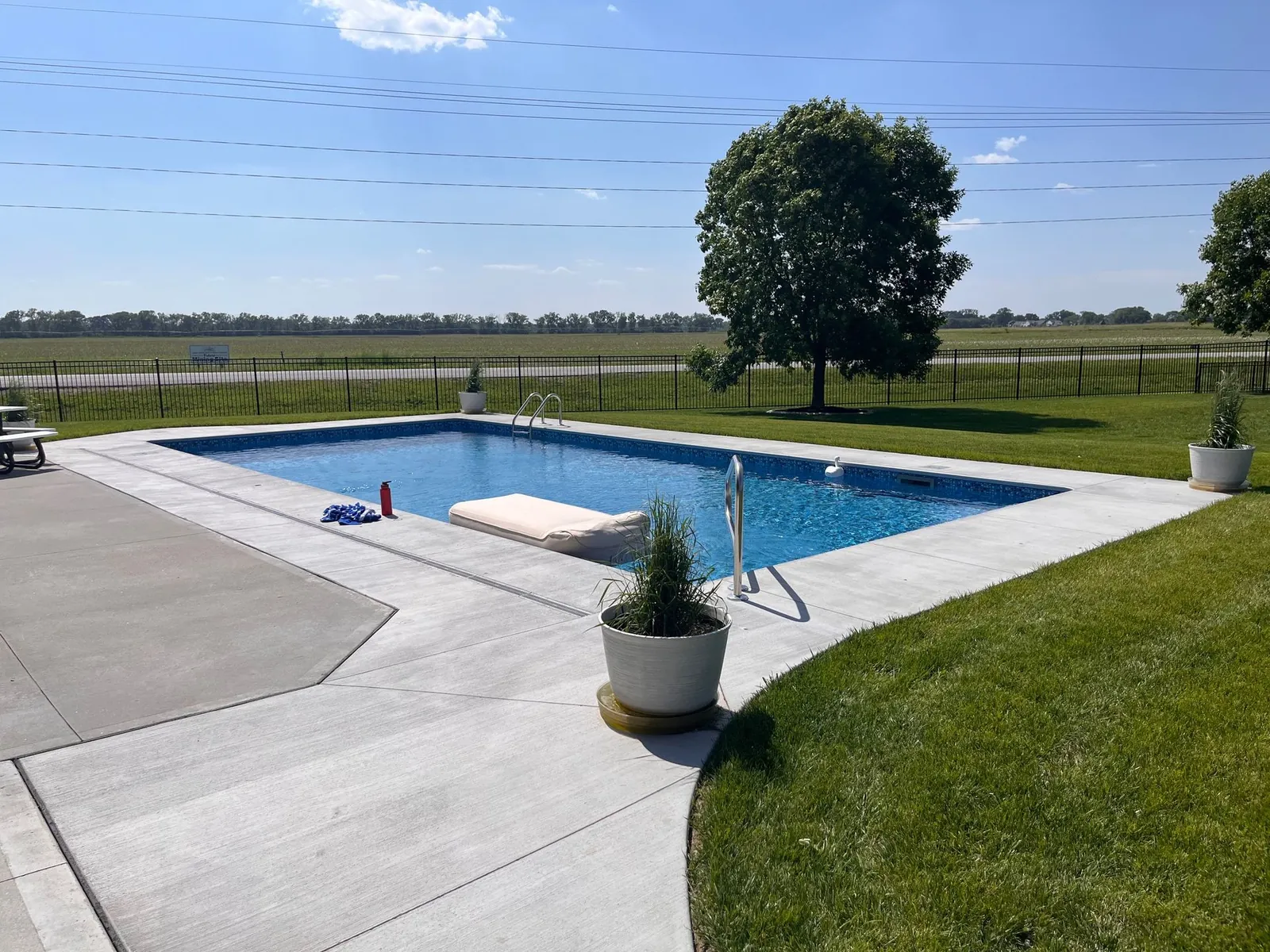
A clean inground pool in Omaha ready to be closed for the winter
Pool Closing Service · Omaha & the surrounding metro

Pool closing & winterization
in Omaha, NE.

Nebraska winters split any pipe, heater header or pump housing that still holds water. Our closing crews blow out and plug every line, drain the equipment, add the winter chemicals and set your cover, so the pool opens clean in April.
Why It Matters Here

A proper close is freeze protection, not a cover and a wave goodbye.

Omaha gets weeks of hard freeze and dozens of freeze-thaw swings between November and March. Water left in a return line, a heater header or a pump housing expands, and the crack shows up as the spring repair bill. The closings we do every fall are built around one job: get the water out of everything that cannot survive ice.

Timing matters as much as technique. Close while the water is still warm and algae keeps growing under the cover; wait for the first hard freeze and you are gambling with the plumbing. Olympic Pool & Spa has closed pools across the metro for more than twenty years, and the same crew that builds and services them does the winterizing.

To winterize a pool is to get the water out of everything ice can split, in the right order, then set the chemistry and the cover so the water underneath stays clean until April. The winterization is the part of a pool closing that matters, and the part a do-it-yourself close most often skips. Hot tubs are the opposite: most Nebraska owners keep the spa running all winter and use it in the snow.

  • Ladders, rails, jets and accessories removed and set aside
  • Pump, filter, heater and chlorinator disconnected and drained
  • Skimmer, return and main-drain lines blown out and plugged, pool antifreeze where a line cannot clear
  • Winter shock and algaecide added to balanced water
  • Your safety or solid cover installed and tightened
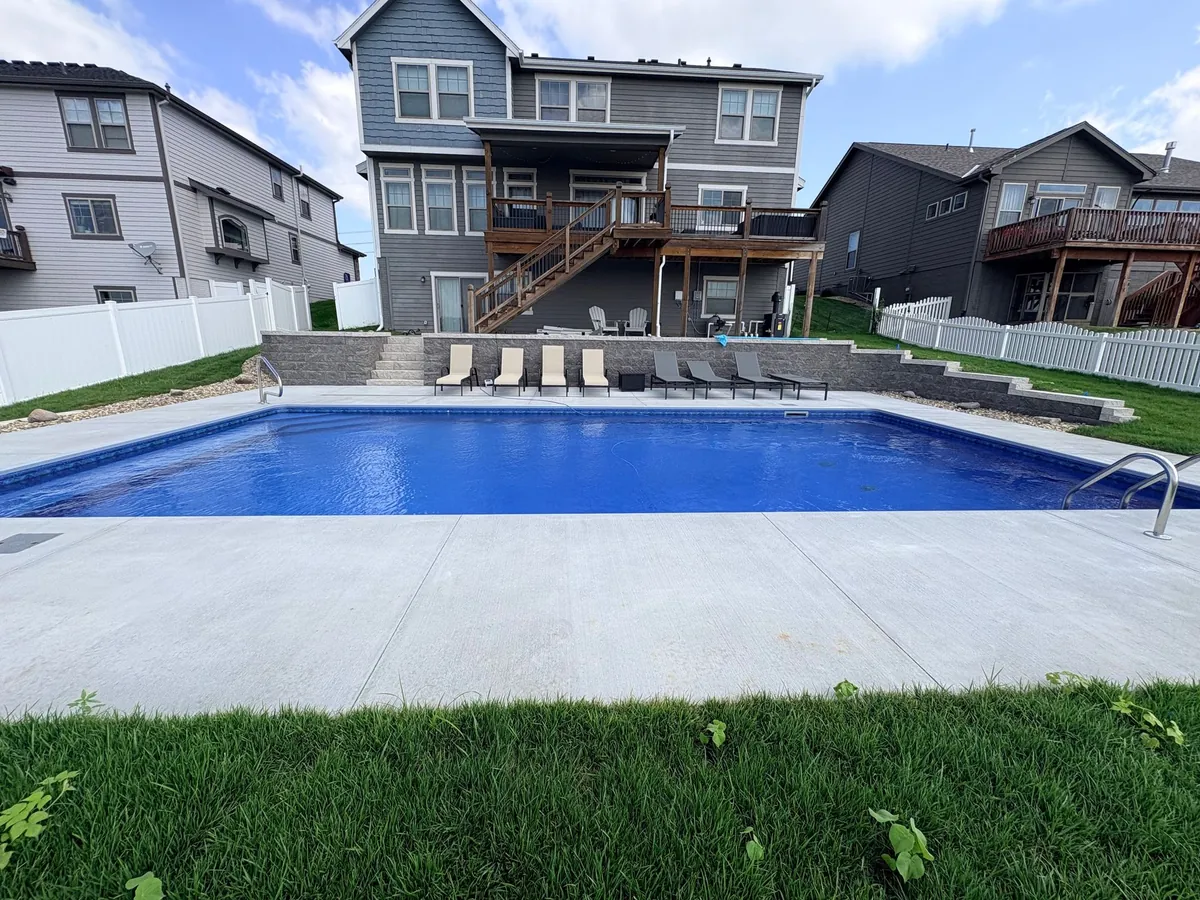
Clear, balanced water in an Omaha pool before closing
How A Closing Goes

Four steps, in the right order.

Each step protects the next. Skip the line blow-out and the cover does not matter.

1

Balance & Lower

Balanced water (pH, alkalinity, calcium) protects the liner all winter. The level comes down to what your cover needs: just below the skimmer for mesh, to the maker's spec for solid.

2

Blow Out & Plug

Compressed air clears the skimmer, returns and main drain. Each line gets a plug or a gizmo, and pool antifreeze goes in any line that will not clear completely.

3

Drain The Equipment

Drain plugs pulled on the pump, filter, heater and chlorinator and stored in the pump basket, filter air relief left open, timers and heaters shut down properly.

4

Treat & Cover

Winter shock and algaecide go in, accessories come out, and the cover goes on tight: a safety cover anchored to the deck, or a solid cover with water bags and a cover pump.

🛡️

Safety Covers vs. Solid Covers

A mesh safety cover anchored to the deck is the safest and the easiest to live with. A solid tarp cover needs water bags on every seam and a cover pump for rain and snowmelt. We install either and can quote a new safety cover if yours is tired.

🏊

Above-Ground Pools

The basic close handles above-ground pools: lines disconnected, ladder removed, chemicals added, cover on. Drain to waste before we arrive and we do the rest. Above-ground pools →

🛁

Hot Tubs In Winter

Keep it running and enjoy it in the snow, or book a spa drain and clean before the freeze. Either way, do not leave a tub half-full with the power off. Hot tub service →

🔄

Filter Sand At Closing

Sand compacts and loses its bite after a couple of seasons. A sand change bundled with the closing costs less than a separate trip and the filter sits clean all winter.

🚰

City Water Fill Lines

An autofill or city water fill line holds water right where the frost reaches. We winterize it with the pool so it is not the first thing to split in January.

🔥

Heaters & Salt Systems

A heater with water left in its header is the classic spring repair; ours get drained properly. Salt cells stay in place per the manufacturer. Pool heaters →

When To Close In Omaha

The closing calendar, from the first booking to the first snow.

Closing weeks run from the third week of August through the end of October. Where your pool lands on that calendar depends on the water temperature, not the date.

📅

August & September

Book your week. Pools that are done for the year by Labor Day close first; everyone else picks a week and a second choice. Keep running the pump and the chemistry until the crew comes, so the water under the cover starts clean.

🌡️

Early & Mid October

The sweet spot. Once the water stays below about 65°F, algae has stopped growing and the pool can be winterized without a green surprise in spring. Most Omaha pools close in these weeks.

❄️

Late October

The first freeze usually arrives in the second half of October and hard freezes follow in November. If your week is late and a freeze is forecast first, run the pump overnight and call us; moving water is slower to freeze.

🧊

November Onward

Check the cover after storms, keep a cover pump on a solid cover, and leave the plugs alone. A liner measured at closing is built over winter and installed first thing in spring, ahead of the pool opening: liner replacement.

Pool closing routes run through Omaha, Papillion, La Vista, Bellevue, Elkhorn, Gretna, Bennington, Ralston, Millard, Springfield, Waterloo and Council Bluffs; out-of-town addresses carry a trip charge. We close pools of any builder, inground or above-ground, vinyl, gunite or fiberglass, and a pool that lost water all summer gets leak detection before the cover goes on, so the leak is not still running under the ice.

FAQs

Pool closing questions, answered.

When should I close my pool in Omaha?

When the water stays below about 65°F, which in Omaha usually means mid-October to early November, and always before the first hard freeze. Close while the water is still warm and algae grows under the cover all winter; close after a freeze and you risk split lines. Our closing checklist walks through the timing.

What does a full pool closing include?

Ladders, rails and jets removed; the equipment disconnected and drained; every line blown out, plugged and treated with pool antifreeze where it cannot be fully cleared; shock and winter algaecide added; and your safety cover installed. Repairs we find during the closing are quoted separately, so the invoice holds no surprises.

What do I need to do before the crew arrives?

On the basic plan, lower the water to about four inches below the returns or jets, then set the valve back to filter and close the main valve. Leave the gates unlocked and the cover, caps and plugs out where we can find them. We confirm the week by email and text when the crew is on the way.

Do you close above-ground pools?

Yes. The basic close covers above-ground and inground pools: equipment and lines disconnected, ladders removed, chemicals added and the cover installed. You drain the pool as far as possible in waste mode before we arrive.

Should I drain my pool for the winter?

No. Never fully drain an inground or above-ground pool. The water holds the liner and the structure in place through the freeze. We lower the level only as far as your cover needs.

What about my hot tub?

Most Nebraska owners keep the hot tub running all winter; it is the best time of year to use it. If you would rather shut it down, book a spa drain and clean before the first freeze so nothing is left in the lines and the shell is spotless for spring. Spa shutdowns are on the same booking form.

Do you remove salt cells at closing?

No. Per the manufacturers' instructions we leave salt cells in place. We do drain the pump, filter, heater and chlorinator and pull the drain plugs so no water sits in the equipment over winter.

Can I close the pool myself?

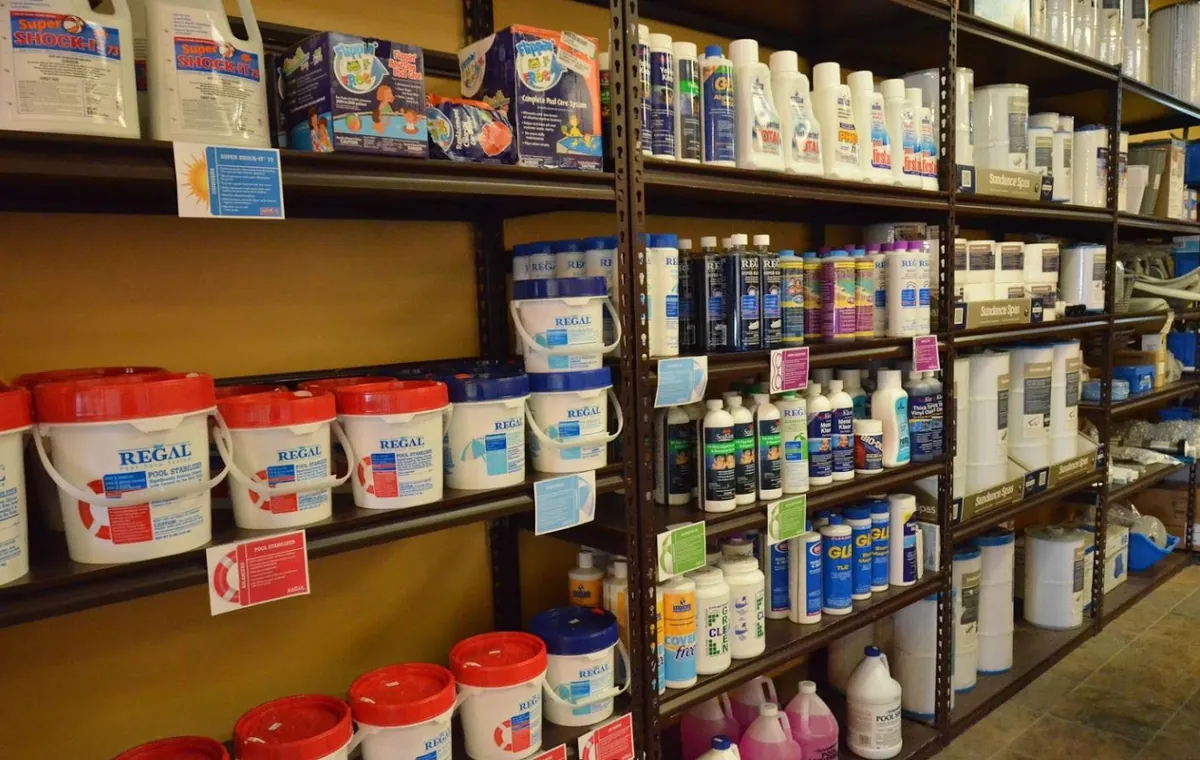
Yes, and the checklist is written for exactly that. Winter algaecide, winter shock, plugs, skimmer guards, pool antifreeze and cover pumps are on the shelf for same-day pickup. The part most people skip, blowing out the lines properly, is the part that breaks pipes, so call if you are unsure.

What is the difference between a basic close and a full close?

The full close is for inground pools: ladders, rails and jets removed, equipment disconnected and drained, every line blown out and plugged with pool antifreeze where needed, winter shock and algaecide added, and your safety cover installed. The basic close fits above-ground and simpler inground pools: equipment and lines disconnected, ladders removed, chemicals added and the cover installed, with the pool lowered below the returns by you before we arrive. Both are on the booking page.

Do you close pools you didn't build?

Yes. We winterize pools of any builder and any type — vinyl liner, gunite or fiberglass, inground or above-ground — on city water or well water. If the equipment pad is unusual, tell us when you book and we bring what it needs.

What if it freezes before my closing week?

Run the pump around the clock until we arrive; moving water is much slower to freeze than still water, and a single cold night rarely hurts a pool that is circulating. If a hard freeze is forecast and your week is still days out, call 402-896-1246 and we move you up where we can.

Do you winterize pools in Papillion, Elkhorn and Council Bluffs?

Yes — Omaha, Papillion, La Vista, Bellevue, Elkhorn, Gretna, Bennington, Ralston, Millard, Springfield, Waterloo and Council Bluffs and beyond. Out-of-town addresses carry a trip charge, quoted when you book.

Will you tell me if something is wrong with the pool at closing?

Yes. The crew sees every fitting, the liner and the equipment with the water down, and anything worth fixing — a tired liner, a weeping heater header, a pump that should not sound like that — is quoted separately, with no surprise on the closing invoice. Closing is also the best time to measure for a new liner or plan a heater for spring.

Closing season is now.

Book online in two minutes · Omaha, Papillion, La Vista & the metro